09/08/2021 by Richard
To ensure every lubricant used for machinery is effective, it’s vital to understand the different forms it can take. If the wrong type of lubricant is used, it can lead to a drop in mechanical performance or, in extreme cases, equipment failure, damage to parts and expensive maintenance.
To mitigate these unwanted issues, we’ll take a closer look at four formats lubrication comes in and discuss their uses.
Oil
What is oil?
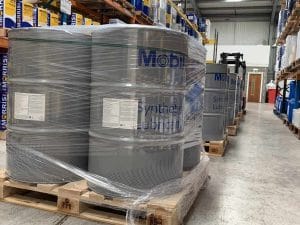
Oil is among of the most common natural lubricants found in plant life. High-quality mineral oil is used as a base for both all-natural options and for synthetic or semi-synthetic oils produced by leading manufacturers like Shell, Mobile and Quaker Houghton.
Oil is typically a thin liquid that can be bought with different viscosity levels to suit different purposes. Many oils today contain specially formulated additives that enhance or detract from the base oil’s native properties, or empower it with entirely new and useful properties.
Additives can prevent corrosion or oxidising, provide protection against wear and stop foaming and deposit build-up.
Why is oil used?
Oil is ideal when you want to lubricate machinery without dismantling it. It can stop friction between parts, reducing wear, and it can clear contaminants out of systems. It is also able to keep moving parts cooler, helping them work harder and faster for longer.
Typical applications of oil
- Bearings
- Hinges
- Tool maintenance
- Sharpening blades
Grease
How is grease formed?
Formed by combining oil with a thickening agent – often a soap that is lithium-based – grease has similar properties and abilities to the lubricant it uses as a base. Due to its thicker texture, however, it is able to stick to surfaces better than oil. It can be purchased with a variety of thicknesses to suit different onsite requirements.
Where is grease most effective?
Grease can be ideal for machinery you use less often, ensuring it stays protected. It’s also useful when you want to seal parts from water droplets and dust particles. The main reason for applying grease is to ensure a lubricant can adhere to a surface for an extended period of time.
Typical applications of grease
- Chains
- Bearings
- Linkages
- Gears
Penetrating lubricants
What is the purpose of penetrating lubricants?
Penetrating lubricants are exceptionally low-viscosity oils. This type of lubricant isn’t long-lasting – it’s for short-term use to infiltrate minute cracks and gaps and to break up any rust present.
Even when nuts and bolts have been coated in rust for many years, a penetrating lubricant can help loosen and remove them.
Typical applications of penetrating lubricants
- Loosening nuts, bolts, and screws
- Releasing stuck hinges and pivots
- Breaking down corrosion on mechanical joints
Dry lubricants
How do dry lubricants work?
Despite their solid state, dry lubricants can reduce existing friction between any two surfaces that slide against one another without requiring a liquid oil medium.
The most common dry lubricants are molybdenum disulfide and graphite. Typically, it comes in spray cans where it has been mixed with alcohol, water and another solvent. These three additional ingredients evaporate, leaving the dry lubricant to do its job.
When are dry lubricants used?
These lubricants are to be used when you need an option that won’t attract dirt and dust.
Typical applications of dry lubricants
- Hinges
- Locks
- Threaded rods
Once a lubricant has been selected, lubricating machinery is a relatively easy and effective maintenance job to perform. As long as the right lubricant is being employed, it can help reduce wear, maintain performance, and extend the lifespan of components.
If you’re unsure which lubricant is best suited to your machinery, get in touch with our team for expert guidance.
Curious to know more? Find out about the different classes of lubricating oil in this article.
You may also interested in:

Compressor lubricant market set for sustained expansion
A recent study from Persistence Market Research has revealed growth is forecast for the global compressor oil market.
Best lubricants for CO2 refrigeration systems
Industrial lubricants are critical components for refrigeration systems that run on CO2 refrigerant.